geophaneia:
Knowing our Earth through science, history, culture and art
Etymology & Pronunciation
Geophaneia combines:
- “Geo” (γῆ) = earth/land
- “Phaneia” (from φαίνειν) = showing, appearing, making visible
Pronunciation: jee-oh-fuh-NAY-uh
Meaning: “Earth-revealing” or “manifestation of the earth”
Significance: documenting the Anthropocene’s impact on Earth’s earth, oceans and air
The Anthropocene — what is it?
A simple working definition is: what will be a/the markers in the geological record to indicate when humans, us, began to have planetary influence on soil, water, air and life — that is the geo/hydro/atmo/bio-spheres.
Further reading
The trajectory of the Anthropocene: The Great Acceleration
Will Steffen, Wendy Broadgate, […], and Cornelia Ludwig
Volume 2, Issue 1 | https://doi.org/10.1177/2053019614564785
The project was inspired by the proposal in 2000 by Paul Crutzen, a Vice-Chair of IGBP, that the Earth had left the Holocene and entered a new geological epoch, the Anthropocene, driven by the impact of human activities on the Earth System (Crutzen, 2002; Crutzen and Stoermer, 2000). Crutzen suggested that the start date of the Anthropocene be placed near the end of the 18th century, about the time that the industrial revolution began, and noted that such a start date would coincide with the invention of the steam engine by James Watt in 1784.
Steffen, W., Broadgate, W., Deutsch, L., Gaffney, O., & Ludwig, C. (2015). The trajectory of the Anthropocene: The Great Acceleration. The Anthropocene Review, 2(1), 81–98. Open access.
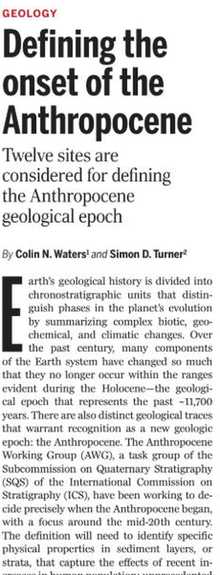
Defining the onset of the Anthropocene
Colin N. Waters and Simon D. Turner
Science, Vol 378, Issue 6621 | https://doi.org/10.1126/science.ade2310
Waters, C. N., & Turner, S. D. (2022). Defining the onset of the Anthropocene. Science, 378(6621), 707–708. DOI | Read the PDF.
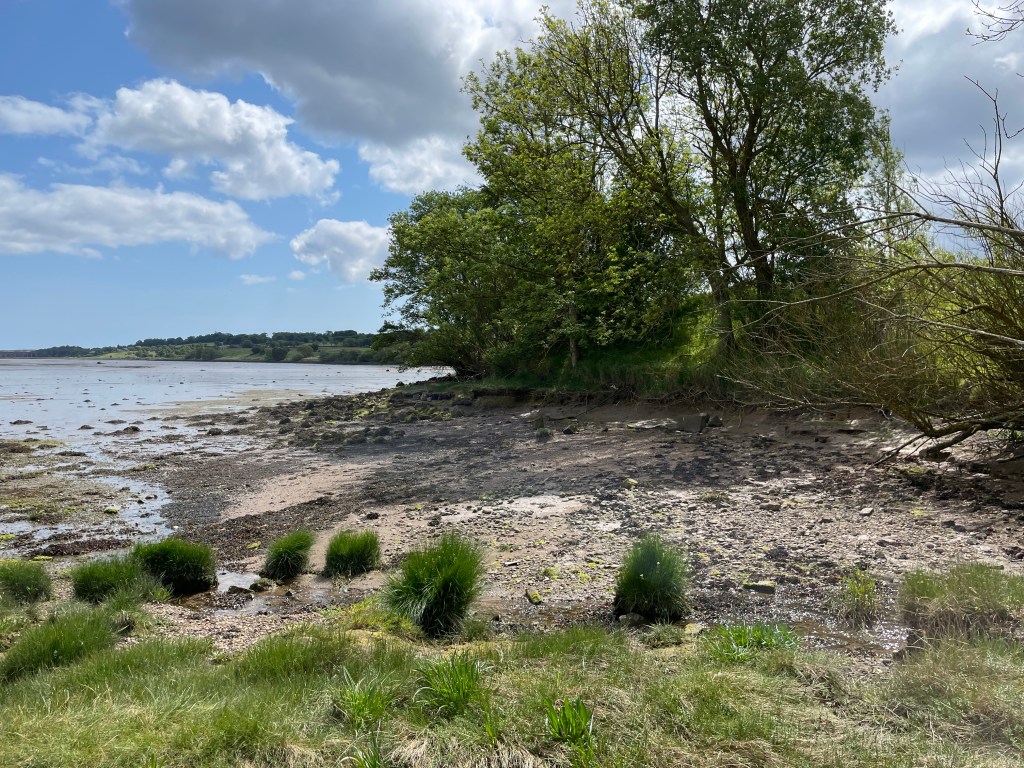
About Geophaneia
water, land & sky
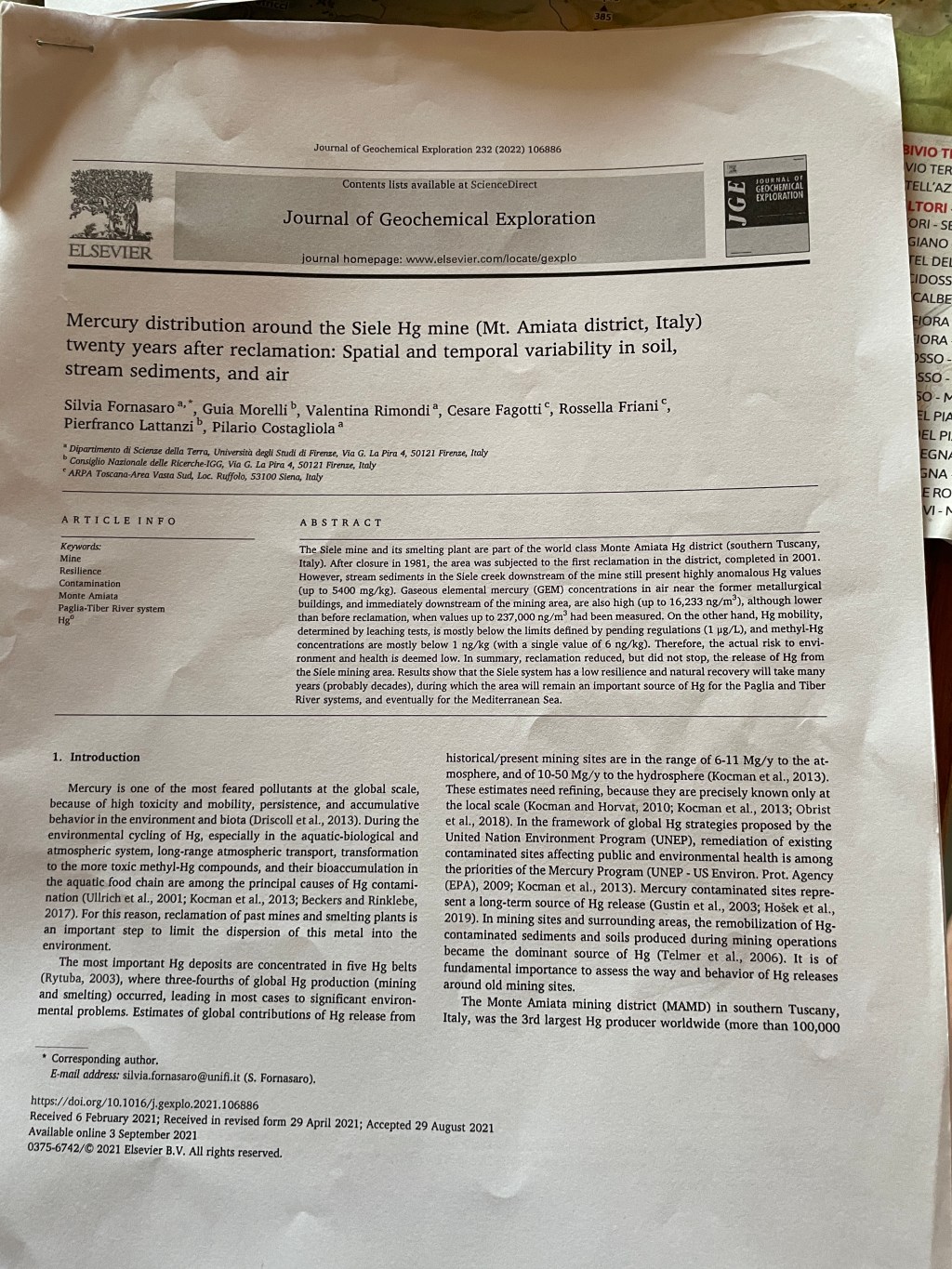
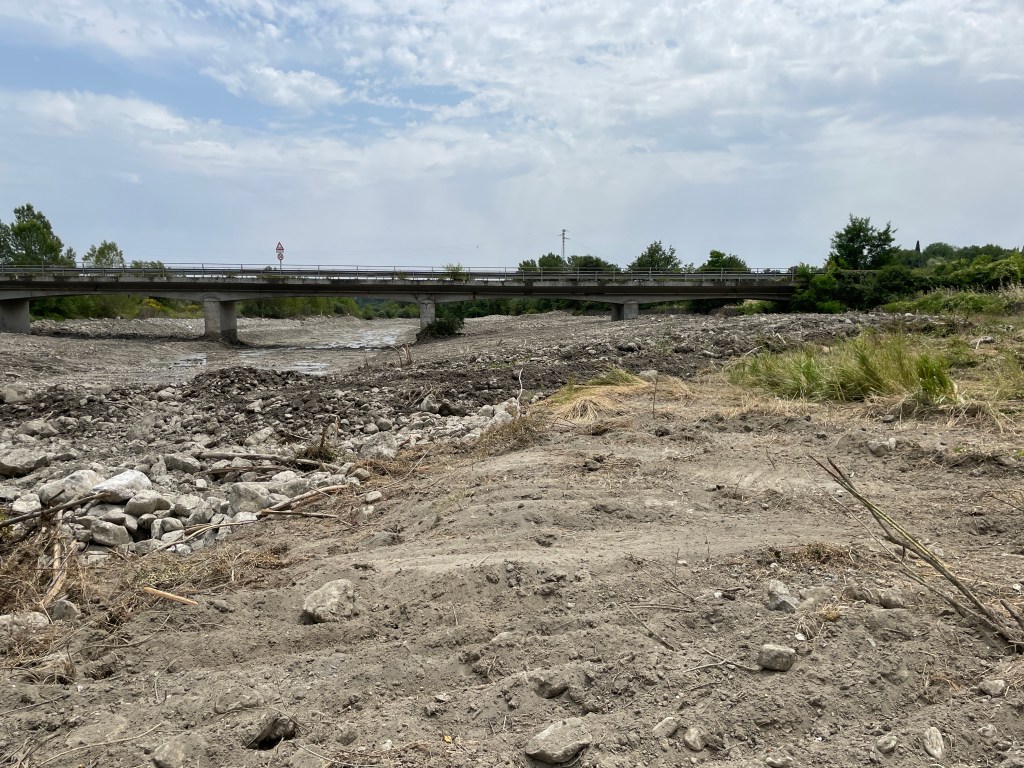
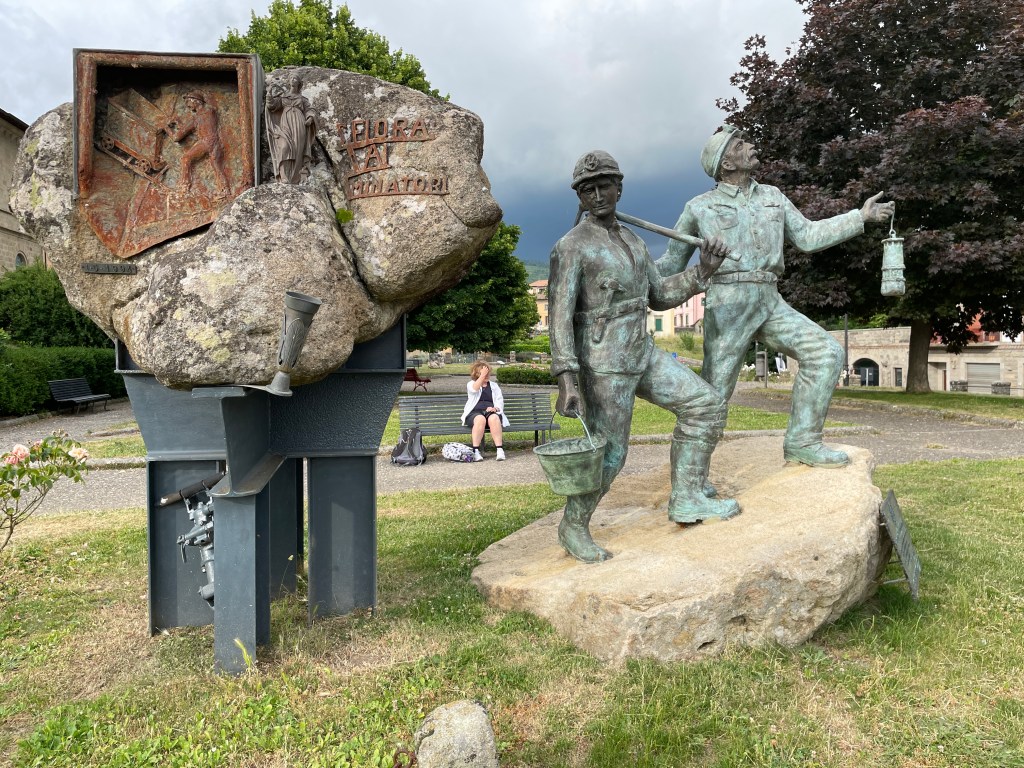
Independent research into how human activity intersects with the natural environment — told through science, history, culture and art, from historic goldfields to mercury mines.
raison d’être
Why Geophaneia exists — and how the work gets done, from question to publication.
Research
Desktop — literature, records and historical context
Investigate & Sample
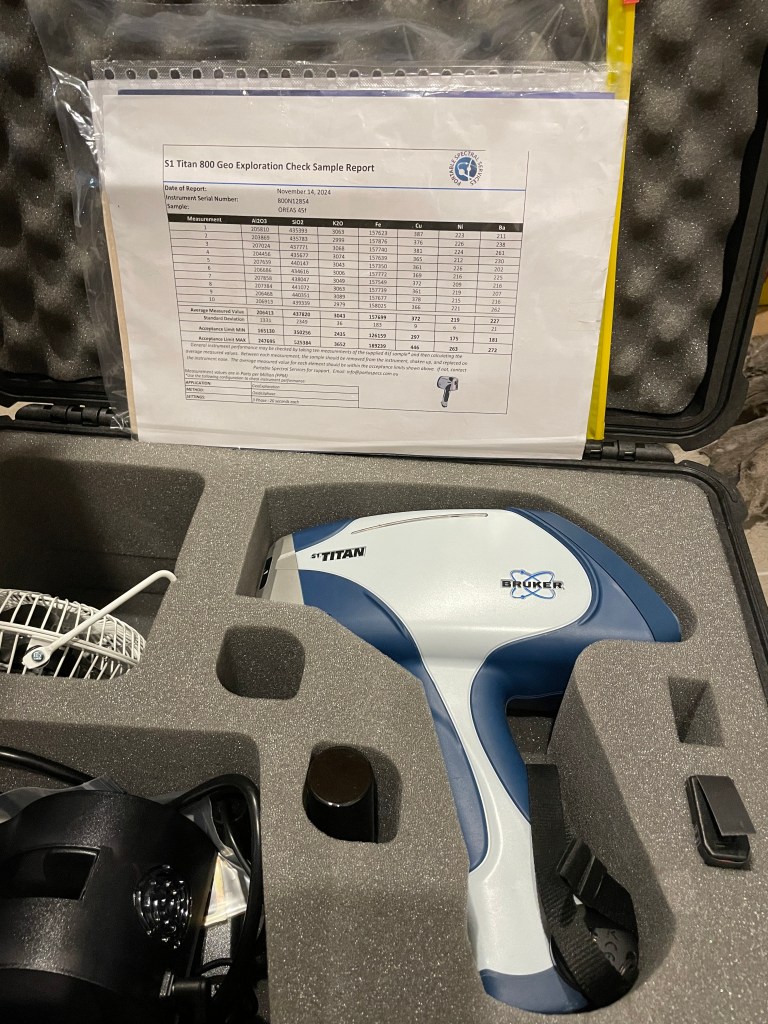
Fieldwork — on-site sampling and analysis
Synthesize
Publish — share findings with the local community, the broader public, academia and regulatory bodies

